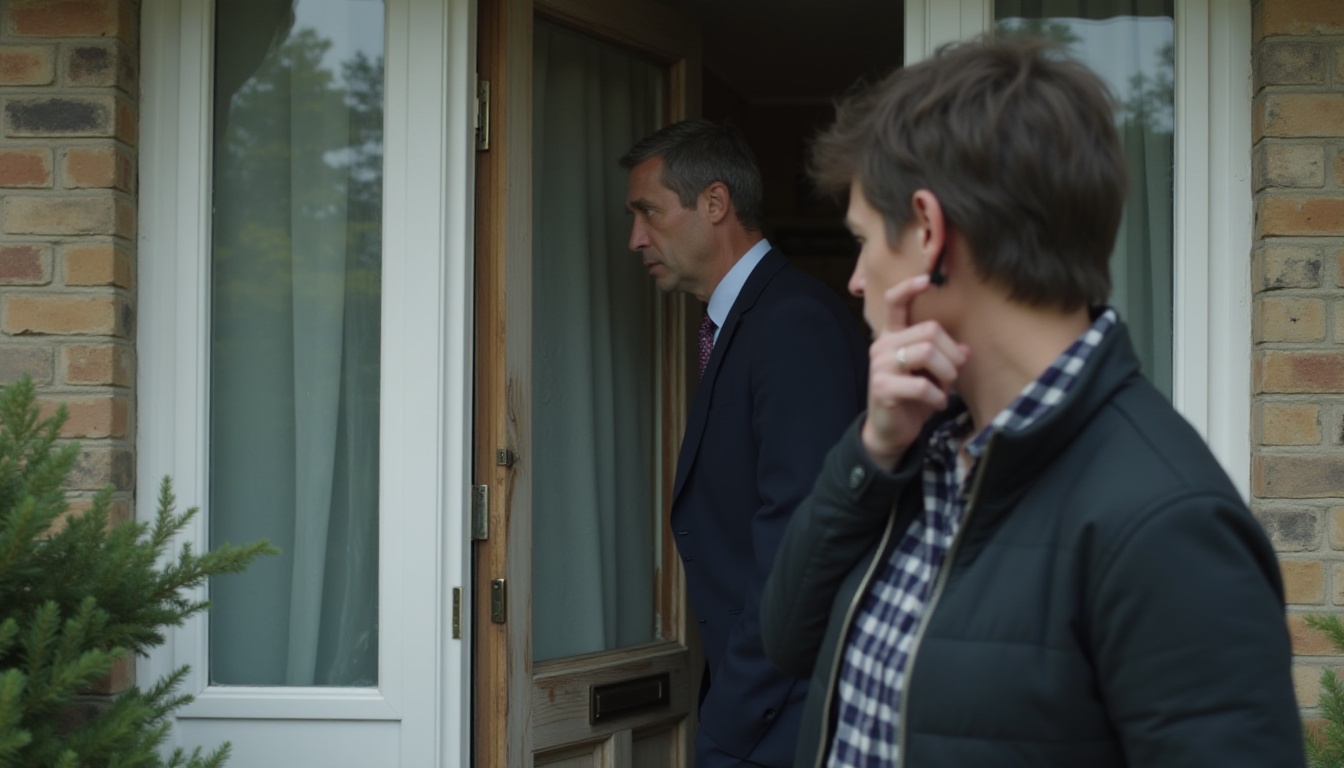
Locks after a break-in may need urgent attention, but the first priority is personal safety and preserving anything the police may need to examine. A damaged lock or door can make you want to start repairs immediately; however, the order in which you act matters.
If you think an intruder may still be inside, do not enter the property. Move to a safe place and contact the police. If the burglary has already happened and there is no immediate danger, follow the police guidance for reporting the crime and wait for instructions about what you should or should not touch.
Before dealing with locks after a break-in
Avoid unnecessary handling of damaged doors, windows and items around the entry point until the police say it is appropriate. There may be evidence that can be lost through cleaning, moving objects or attempting repairs.
Follow the instructions given for your particular incident. The required response can differ depending on whether the crime is still in progress, whether anyone is at risk and whether officers need to attend.
Once the police have finished any necessary examination, you can move on to making the property secure.
Contact your insurer early
If you have home insurance, report the burglary promptly and ask what the policy requires before arranging permanent repairs. Some insurers may have approved contractors, emergency assistance or evidence requirements.
Ask whether temporary boarding, emergency locksmith work or replacement locks need prior authorisation. Keep photographs and receipts where appropriate. Do not assume that every repair will automatically be covered.
Make the property secure for the short term
A door that no longer closes or locks may need temporary securing before a permanent repair can be completed. The immediate aim is to prevent easy access without destroying evidence or causing unnecessary further damage.
A locksmith may be able to replace a damaged cylinder, repair the lock or provide a temporary solution, but serious frame or door damage can require a joiner, door specialist or other contractor as well. Explain the visible damage when booking so the right type of help can be arranged.
If the home cannot be secured safely that day, discuss options with your insurer and consider whether it is appropriate to stay elsewhere until access is controlled.
Check whether keys were taken
Do not focus only on the entry door. Burglars may take spare keys, vehicle keys, garage keys, fobs or other access devices from inside the property.
If a full set is missing, identify everything it opens. Locks after a break-in may need changing even when they were not physically damaged if usable keys were stolen.
For communal access in a block of flats, inform the managing agent or landlord if a shared key or fob has been taken. For vehicle keys, contact the appropriate vehicle or insurance provider for advice.
Use replacement work as a security review
Where a euro-profile cylinder needs replacement, Police.uk advises choosing a 3-star euro cylinder meeting TS007 standards. Its current door and window lock advice also discusses secure use of modern multipoint doors.
The aim is not automatically to replace every item with the most expensive product. It is to restore sound, compatible security and correct any weakness revealed by the incident.
If the frame, hinges, glazing or door structure has been damaged, the whole opening needs to be considered. A strong new cylinder cannot compensate for a badly compromised door or frame.
Review other entry points
After the immediate repair, walk around the property in daylight and check other accessible doors and windows. Look for weak side gates, insecure sheds, poor lighting and places where tools or ladders are left available.
Police.uk’s home crime-prevention guidance covers doors, windows, gardens, sheds and garages. It is a useful starting point for a broader review after a burglary.
Do not make rushed purchases simply because you feel vulnerable. Prioritise clear weaknesses and improvements supported by recognised guidance.
Choosing someone to repair the locks
Describe the job accurately: burglary damage, whether the police have finished at the scene, whether the door can close, what keys are missing and what type of door is involved. Ask about call-out charges, labour, parts and whether VAT applies.
If you want local options for locks after a break-in, you can browse locksmiths serving Plymouth on Plymouth Trade Finder. Confirm each business’s availability, experience and pricing directly; the directory listing itself is not a substitute for checking suitability.
Document the repairs
Keep invoices, descriptions of replacement parts and photographs of completed work. This can help with an insurance claim and gives you a record of what security is now fitted.
If new keys are issued, keep track of the number supplied. Dispose of obsolete keys carefully and avoid mixing old and new sets.
Take care with online information after a burglary
Avoid posting detailed public photographs showing damage, replacement hardware, alarm arrangements or when the house will be empty. Friends and neighbours can be updated without publishing a map of the property’s security.
If valuable property was stolen, follow police and insurer advice about serial numbers, photographs and ownership records.
Restore security in a sensible order
The sequence for dealing with locks after a break-in is straightforward: stay safe, report the crime, preserve the scene as instructed, contact the insurer, secure the property and then plan permanent repairs and upgrades.
A burglary can make every weakness feel urgent at once. Concentrating first on controlled access and damaged entry points, then reviewing the rest of the home calmly, produces a more useful response than making hurried changes without a plan.