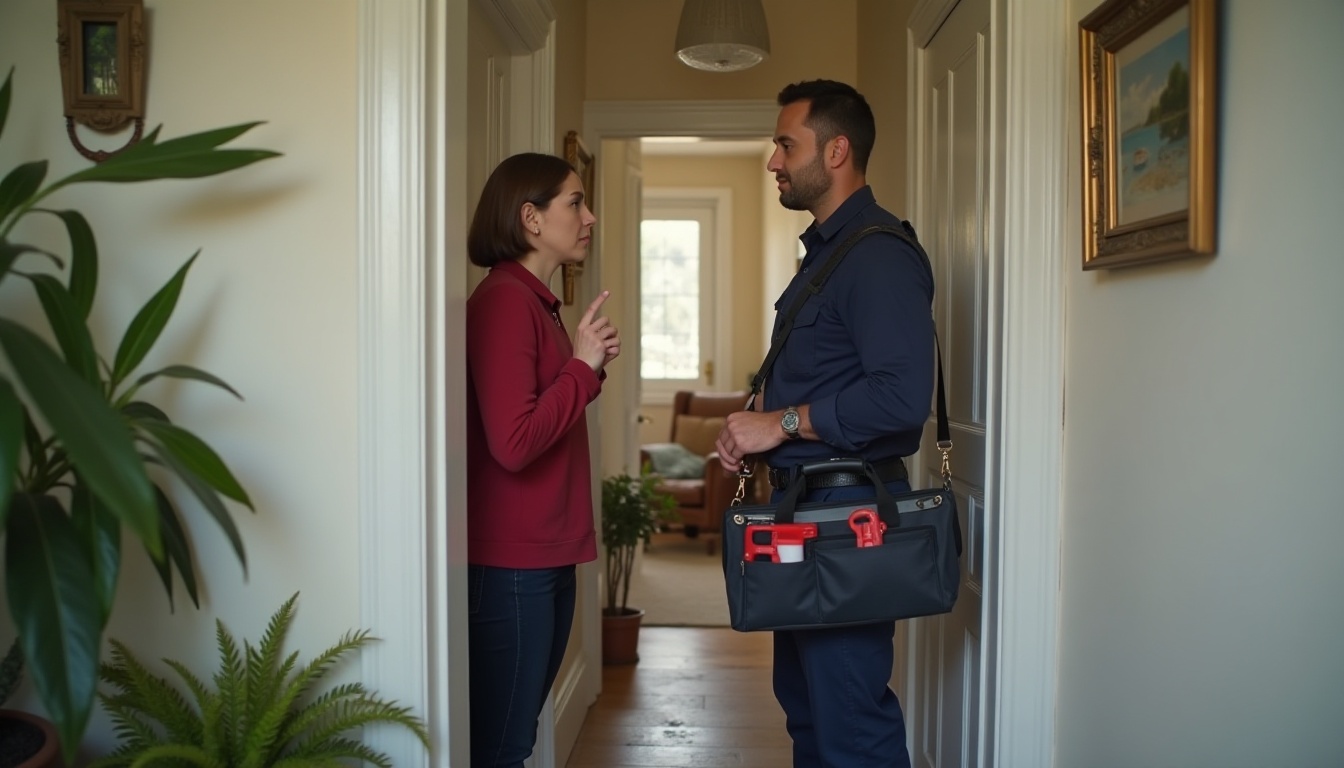
A sudden leak, overflowing fitting or loss of water can turn an ordinary day into a stressful one. If you need an emergency plumber Plymouth households can contact, the most useful thing you can do before anyone arrives is make the situation safer and reduce further damage. You do not need to diagnose the fault yourself. The priority is to control the water where it is safe to do so, protect people and belongings, and give the plumber clear information about what has happened.
In Plymouth, South West Water is responsible for its public water network, while homeowners are generally responsible for private supply pipes and internal plumbing on their side of the boundary. That distinction matters because some incidents need a plumber, some need the water company, and occasionally both may need to be involved.
When an emergency plumber Plymouth homeowner may need is the right first call
Plumbing problems vary widely, but urgent attention is sensible when water is escaping continuously, a leak is damaging ceilings or floors, a toilet cannot be used without overflowing, or a fault means essential water facilities cannot be used safely. A small drip that can be contained may be suitable for a planned appointment, while uncontrolled water entering the property is much more time-sensitive.
If there is water near electrical equipment, sockets, lights or appliances, do not take risks by reaching into the affected area. Keep people away and seek appropriate professional help. Likewise, if you smell gas or suspect a gas-related problem, a general plumbing response is not enough: gas work has separate safety requirements and must be handled by an appropriately qualified Gas Safe registered engineer, as explained in the HSE domestic gas safety guidance.
Turn off the water if you can do so safely
Your internal stop tap is the main control for the water supply entering the home. South West Water says it is usually found under the kitchen sink or where the supply pipe enters the property, although layouts vary. If water is escaping from internal plumbing and you can reach the stop tap safely, turning it clockwise can help limit further damage.
Do not use excessive force on a seized or damaged stop tap. A valve that has not moved for years can be difficult to operate, and forcing it may create another problem. If it will not turn, tell the plumber when you call. You can also read South West Water’s current guidance on leaks and private supply responsibilities.
Once the supply is isolated, open a cold tap briefly if appropriate to relieve remaining water in the internal system. The exact response depends on the fault, so avoid dismantling fittings or attempting an improvised repair if you are unsure what you are doing.
Contain water without making the problem worse
If water is still dripping after the supply has been turned off, use buckets, towels or containers to protect the surrounding area. Move furniture, rugs, electrical items and valuables away from the leak where this can be done safely. For a leak from an upstairs room, check the room below for signs of water spreading through the ceiling.
Photographs can be useful for your own records, particularly if there is significant property damage or you may need to contact an insurer. However, do not delay essential action simply to document the scene.
Avoid the temptation to make a permanent repair with tape, sealant or other temporary materials unless you genuinely know the method is suitable. A quick patch may hide the scale of the fault, make diagnosis harder or fail once the water is turned back on.
Work out whether the problem may be outside your home
Not every loss of supply or visible leak is caused by internal plumbing. If several nearby properties have no water, or water is emerging from the highway or pavement, the issue may involve the public network. South West Water provides online reporting and current service information for network problems.
If the problem appears to be on your private supply pipe, responsibility can depend on exactly where the leak is located. The supply pipe from the property boundary to the internal stop tap is generally the homeowner’s responsibility in South West Water’s area. Shared private supplies can make responsibility more complicated because more than one property may depend on the same pipe.
What to tell the plumber when you call
A useful emergency call is short and specific. Tell the plumber your location, what you can see, when the problem began, whether the water is still flowing and whether you have managed to turn off the internal stop tap. Mention any obvious access issue, such as a locked communal area or a leak beneath a floor that cannot easily be reached.
- Describe where the water is appearing rather than guessing the technical cause.
- Say whether the internal stop tap is off, on, stuck or cannot be found.
- Explain whether water, heating or toilet facilities are currently unusable.
- Mention significant property damage or water near electrical equipment.
- Ask about call-out charges, likely attendance arrangements and how additional work will be agreed.
This helps an emergency plumber Plymouth call-out start with realistic expectations. It may also help the business decide what type of professional or equipment is appropriate for the visit.
Do not assume every plumbing emergency needs the same trade
Some plumbers focus on general water and drainage work, while others also hold qualifications for heating or gas work. A plumber being experienced in one area does not automatically mean they are authorised for every type of job. If a gas appliance is involved, check the engineer’s Gas Safe registration and the work categories they are qualified to undertake.
For ordinary plumbing work, you can also look for appropriately qualified businesses and ask about insurance, experience with the type of fault, charges and availability. Plymouth Trade Finder can help you browse local plumbers and their listing information, but you should still check each business directly for suitability, qualifications where relevant, insurance and current availability.
After the immediate leak has been controlled
An emergency visit may stop the active problem without resolving every consequence. Ask whether further repair, drying, replacement or investigation is needed. If water has entered hidden spaces, ceilings or flooring, monitoring the area after the immediate fix can be important. Your insurer may also have requirements about reporting damage or keeping invoices and photographs.
If the fault occurred because a stop tap was inaccessible or would not operate, consider having that dealt with after the emergency. Knowing exactly where the control is and being confident that it works can save valuable time during a future leak.
Be prepared before the next emergency
The best time to find your stop tap and identify suitable local contacts is before you urgently need them. Check where your internal stop tap is, make sure household members know its location, and keep important numbers accessible. It can also be useful to understand whether your property has any shared private supply arrangements.
If you ever need an emergency plumber Plymouth residents should focus first on safety, limiting water damage and giving the professional clear information. You do not have to solve the technical problem yourself. Simple, calm actions before help arrives can make the situation easier to manage and give the plumber a clearer starting point when they reach the property.