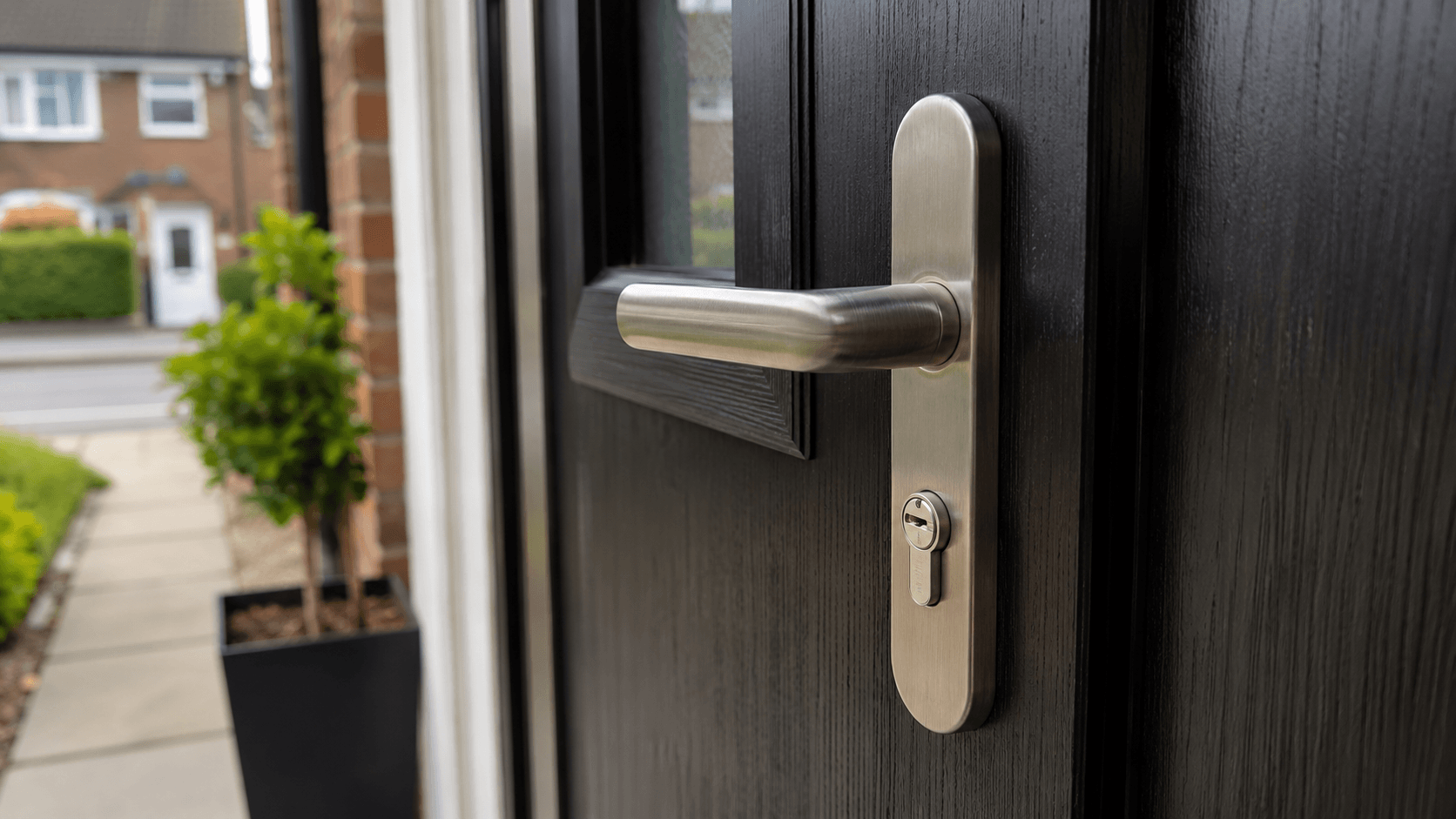
Lock snapping is a form of attack associated with some euro-profile cylinder locks, which are widely used in uPVC, composite and other modern doors. The important point for householders is not to learn how the attack is performed, but to understand that older or lower-security cylinders may offer less resistance than modern products designed and tested against common attack methods.
If your door uses a euro cylinder, checking its security rating can be a practical part of a wider home-security review. The cylinder is only one part of the door, so any upgrade should also take account of the handle, multipoint mechanism, frame and correct installation.
What lock snapping means for householders
A euro-profile cylinder is the removable component into which the key is inserted. Different doors use different sizes and configurations. Some attacks target the cylinder so that the locking system can be manipulated after the cylinder is compromised.
There is no need to test this yourself or attempt to dismantle the lock. Doing so can damage a working door and may leave it insecure. The useful consumer action is to identify whether your cylinder meets a recognised security standard and, if it does not, consider an appropriate upgrade.
Recognised standards for resisting lock snapping
Police.uk advises that when changing door locks, householders should choose a 3-star rated euro cylinder meeting TS007. Its guidance states that these locks are designed to protect against common methods including snapping, drilling and bumping. See the current Police.uk door and window lock advice.
West Yorkshire Police also provides specific euro-cylinder guidance and recommends a 3-star solution as the minimum when upgrading cylinders. Security standards can change over time, so current police or Secured by Design advice is preferable to relying on an old product description or an unverified online claim.
How to check what you already have
Look at the visible ends of the cylinder and surrounding hardware for recognised markings, but do not assume that any star-like logo means the same thing. Product markings can differ, and older locks may have been fitted before current recommendations became common.
If you cannot identify the lock confidently, a locksmith can inspect it without requiring you to remove it first. Ask them to explain the existing rating and the rating of any proposed replacement.
Remember that lock snapping protection is not determined by price alone. A costly cylinder without the relevant tested performance is not automatically the better choice.
Correct size and installation matter
A replacement cylinder needs to fit the door correctly. A cylinder that protrudes excessively beyond the surrounding hardware may present a weakness even if the product itself has security features. Measuring and fitting should therefore be treated as part of the security job, not as an afterthought.
The door handle or security escutcheon also contributes to the overall arrangement. Depending on the existing door, a locksmith may discuss whether other compatible hardware should be upgraded at the same time.
Do not forget the multipoint locking system
On many uPVC and composite doors, the euro cylinder controls a wider multipoint mechanism. Hooks, bolts or rollers engage at several positions when the handle is operated. If that system is worn, misaligned or not used correctly, simply fitting a higher-rated cylinder will not fix every problem with the door.
Police.uk advises users of modern multipoint and uPVC doors to lift the handle, lock and remove the key. Make sure everyone in the household understands how the door is intended to be secured.
When is an upgrade worth considering?
An upgrade may be sensible if the existing cylinder cannot be identified, is old or damaged, does not meet current recommended security levels, or is being replaced anyway because keys have been lost. Moving into a new property is another natural point to review who may have copies of the keys and whether the installed hardware suits your needs.
If you are already paying for a cylinder replacement, asking about lock snapping resistance and current standards can help you avoid installing another basic cylinder simply because it fits.
Ask clear questions before buying
Whether you buy hardware yourself or use a locksmith, ask for the exact product specification rather than relying on phrases such as “high security”. Check whether the cylinder is genuinely rated to the standard being discussed and whether the proposed size is correct for the door.
If you would like to contact local tradespeople, you can browse locksmiths serving Plymouth on Plymouth Trade Finder. Ask each business directly about the products they fit, their experience with euro cylinders, pricing and availability.
Security should be layered
No single lock makes a home immune from burglary. Good security combines appropriate doors and windows, correct locking habits, secure outbuildings, sensible key management, lighting and other measures that suit the property.
Police.uk’s broader home-security guidance emphasises controlling access through doors and windows and reducing weaknesses around the property. A cylinder upgrade is most useful when it forms part of that wider approach.
A practical approach to lock snapping risk
You do not need to become a lock expert to respond sensibly to lock snapping. Check whether your door uses a euro cylinder, identify the existing security standard if possible, and use current police guidance when considering a replacement.
For a new cylinder, TS007 3-star performance is the key recommendation highlighted by Police.uk. Combine that with correct sizing, fitting and a sound door and locking mechanism. That approach improves security without relying on fear, exaggerated claims or unnecessary technical complexity.