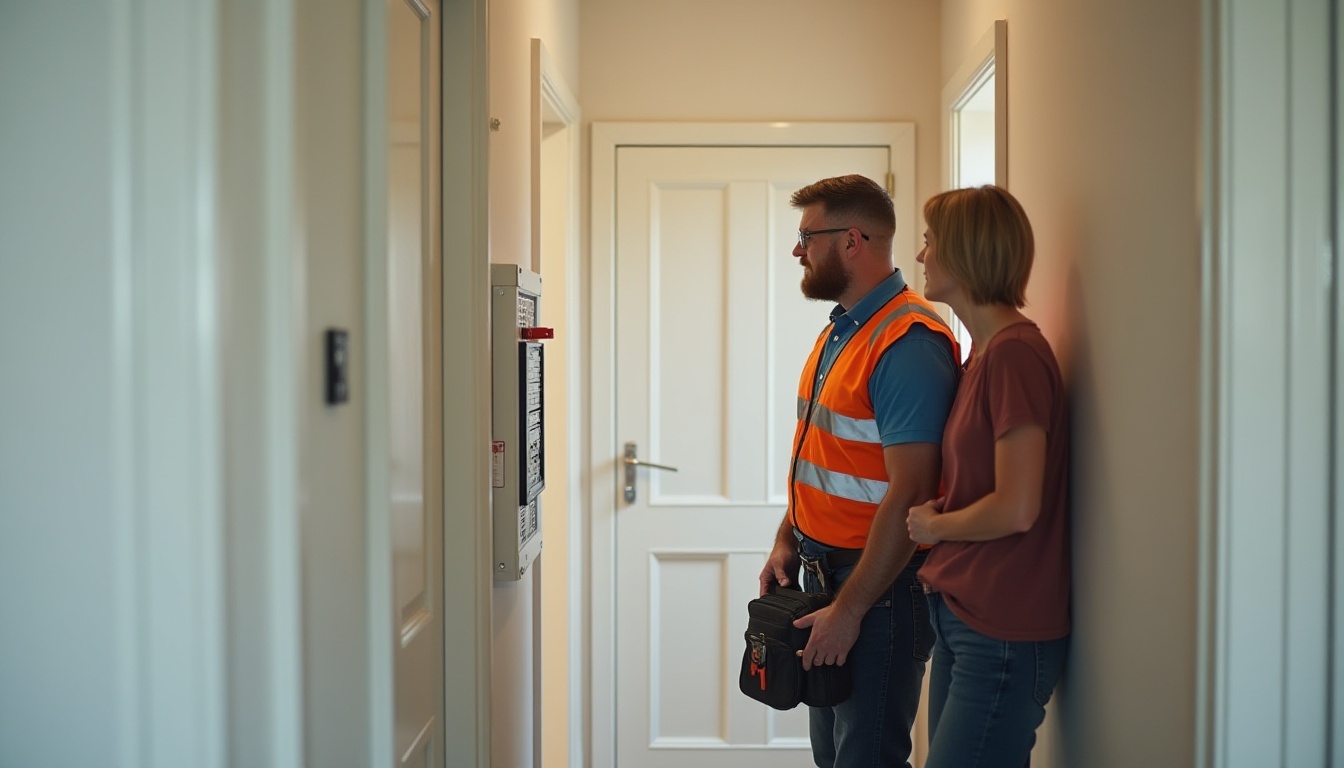
Consumer unit replacement is often discussed when a home has an older fuse box, but age or appearance alone does not prove that immediate replacement is required. The consumer unit is an important part of the electrical installation because it distributes circuits and contains protective devices, yet the right decision depends on the condition and design of the wider installation as well as the enclosure itself.
If you want a local assessment, you can browse electricians serving Plymouth and ask suitable businesses what inspection or testing they recommend before quoting for an upgrade.
Consumer unit replacement is not simply a cosmetic upgrade
A modern consumer unit may provide protective arrangements that differ from those found in much older installations, but replacing the box at the front of the system does not automatically correct defects elsewhere. Existing circuits, earthing and bonding, insulation condition, accessories and previous alterations may all affect the suitability of the work.
That is why an electrician will normally want to understand the installation rather than treat consumer unit replacement as a simple swap. Testing can reveal issues that need attention before or as part of the change.
Reasons an electrician may recommend attention
Common reasons for assessing a consumer unit include physical damage, signs of overheating, unreliable protective devices, lack of appropriate protection for the way circuits are used, major alterations to the property, or a wider electrical inspection that identifies deficiencies.
Homeowners also frequently consider an upgrade before adding substantial new electrical loads or during renovation. The electrician can then assess how existing circuits and protective measures fit with the proposed work.
Do not ignore burning smells, heat, crackling, visible damage or evidence of arcing. Those are fault symptoms rather than normal signs of age and may need urgent assessment.
What RCD protection does
A residual current device, or RCD, is designed to disconnect electricity quickly in certain fault conditions. HSE guidance says RCDs can reduce risk, especially in wet or outdoor situations, while also making clear that an RCD cannot protect against every type of electric shock. See the HSE electrical-safety FAQs for a straightforward explanation.
Modern installations may use RCDs or RCBOs in different arrangements. The appropriate design is a technical decision for the electrician based on the installation and current requirements; a householder does not need to select protective-device architecture from an online checklist.
Why testing before the change matters
When new protective devices are introduced, faults or weaknesses that were not obvious before can become apparent. For example, a circuit may trip because a genuine leakage or wiring issue is now being detected. That does not mean the new protection is the problem.
Ask the electrician what pre-change checks are included and what will happen if a circuit fails testing. A quotation can explain whether remedial work is included, separately chargeable or subject to approval once the condition is known.
Building Regulations and consumer unit replacement
Domestic electrical work in England is subject to Part P of the Building Regulations. Approved Document P sets out guidance on electrical safety in dwellings and notification. The official GOV.UK Part P page is a useful reference if you want to understand the regulatory context.
Before work starts, ask how any required Building Regulations notification will be handled and what evidence you will receive afterward. If the installer is using a competent-person scheme route, check that the relevant work is within their registration scope.
What should be included in the quotation?
For consumer unit replacement, a useful quotation should make clear what equipment is being supplied, what testing is included, whether labelling and documentation are included, and what happens if defects in existing circuits are discovered.
Also ask about:
- whether the electricity supply needs to be isolated by another party;
- whether earthing or bonding work is anticipated;
- whether any existing circuits are known to need repair;
- how long the property is likely to be without power;
- whether surge protection or other protective measures are part of the design;
- what electrical and Building Regulations paperwork will be supplied.
The point is not to turn yourself into the designer. It is to make sure the scope is clear enough that you understand what you are paying for.
Do you need a full rewire at the same time?
Not necessarily. A consumer unit change and a rewire are different jobs. Testing may show that many existing circuits remain serviceable, or it may identify defects that justify repair or wider renewal. Avoid assuming that one automatically requires the other.
If an electrician recommends extensive additional work, ask them to separate immediate safety defects from optional improvements where possible. That makes the decision easier to understand and can help you prioritise.
Older fuse boxes in Plymouth homes
Properties across Plymouth have been built and altered in many different periods. Some older homes have had partial upgrades over time; others may contain a mixture of newer and older circuits. The front of the fuse box tells only part of that history.
For that reason, a visual photograph sent for a quick quote can be useful for initial discussion but should not replace the inspection and testing needed to judge the installation. The cheapest-looking path is not always the safest or most economical if hidden defects emerge mid-job.
After the replacement
Once work is complete, ask the electrician to explain the new controls, how to use any test buttons intended for the householder, what the circuit labels mean and what to do if a protective device operates. Keep the installation certificate and any Building Regulations compliance documentation with your property records.
If a circuit trips later, do not defeat or bypass the protective device. Note what was in use and seek advice if the fault repeats.
Make the decision from evidence
An old-looking fuse box is a reason to ask questions, not a diagnosis. Sensible consumer unit replacement starts with the condition of the installation, the protection currently provided, the work you plan to add and the results of appropriate inspection or testing.
Ask for the reasoning behind the recommendation, a clear written scope and an explanation of the paperwork you will receive. That gives you a stronger basis for deciding whether an upgrade is needed now, should be combined with other work, or can be planned for a later stage.