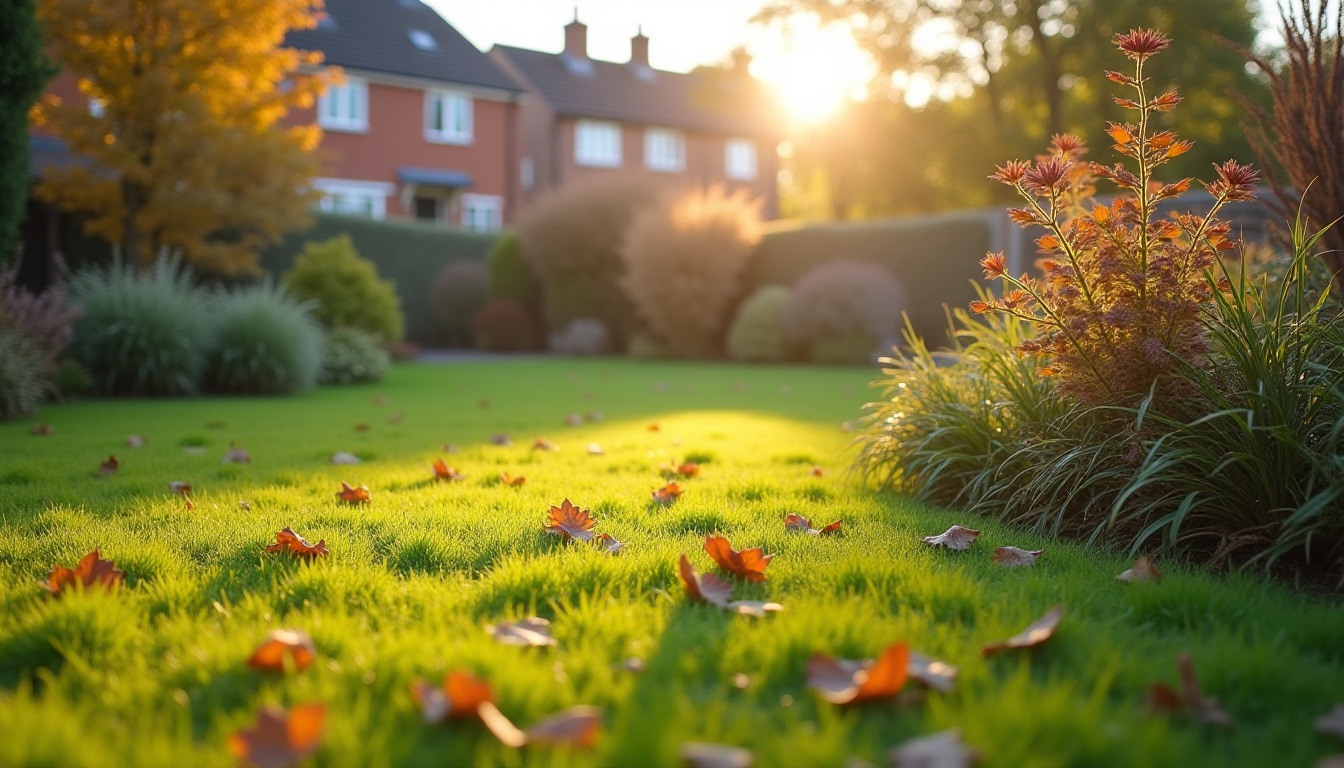
The best time for landscaping is not one fixed month. It depends on what the project contains, the condition of the ground, the weather, availability of plants and materials, and when you need the garden finished. Hard landscaping can often be carried out across much of the year when conditions are suitable, while planting and turf establishment may benefit from more specific timing. Planning backwards from your goal is usually more useful than waiting for a supposedly perfect season.
The best time for landscaping depends on the type of work
A project dominated by paving, fencing or structural garden features has different seasonal considerations from one centred on planting. Cold, saturated or frozen ground can make excavation and soil handling difficult, while very hot dry spells can increase the aftercare needed for new turf and plants. A mixed makeover may therefore be staged so that construction occurs first and planting follows under more suitable conditions.
Ask potential landscapers how the proposed programme responds to weather. Outdoor projects inevitably experience conditions that cannot be controlled, so a realistic schedule should allow for some flexibility. A contractor who explains which tasks are weather-sensitive is more useful than one who treats every date as guaranteed regardless of conditions.
Spring can be attractive but demand may be high
Spring is when many homeowners start thinking seriously about their gardens. The days lengthen, plants become active and people want outdoor spaces ready for summer. This makes spring a logical time for some planting and garden improvement, but it can also be a busy period for landscapers and nurseries. If you want a substantial project completed before a particular summer date, begin enquiries well before you expect work to start.
Newly planted areas still require watering if spring becomes dry. Do not assume mild temperatures remove the need for establishment care. Ask who is responsible for watering during and after the project and obtain clear aftercare instructions.
Summer can work well for some construction, with heat considerations
Drier periods can make access and groundworks more straightforward, particularly on sites that become very wet in winter. Long daylight hours can also help with outdoor construction. However, hot weather can be stressful for newly planted material and turf, and some soils become hard to work when very dry.
If landscaping is planned during summer, consider whether planting can be reduced, delayed or managed with appropriate watering. The project sequence can sometimes separate hard landscaping from later planting rather than forcing every element into one week simply because the construction is happening then.
Autumn is often useful for planting and ground work
Autumn can provide a useful combination of residual soil warmth and increased natural moisture for many planting tasks, although suitability varies with plant type and weather. Deciduous trees and shrubs may also become available as bare-root plants later in the season, offering different planting options. Ground can still be workable before prolonged winter wet arrives.
The Royal Horticultural Society provides current seasonal guidance through its gardening jobs and advice. Use detailed plant guidance for the specific species involved rather than assuming every plant shares the same ideal planting window.
Winter is not automatically a closed season
Many landscaping businesses continue working through winter. Some hard-landscaping, clearance and preparation tasks can proceed when conditions are safe and suitable. Dormant-season planting may also be appropriate for certain plants. The main limitations are likely to be saturated ground, frost, short daylight and weather-related interruptions rather than the calendar date alone.
Working heavily on wet soil can damage its structure, and laying some materials in unsuitable temperatures or conditions may be unwise. A competent contractor should be willing to delay a weather-sensitive operation rather than compromising the finished work merely to preserve a schedule.
Questions that help determine timing
- Does the project involve substantial planting or turf?
- Will excavation be difficult if the ground is saturated?
- Are particular materials or plants subject to lead times?
- Do you need the garden ready for a fixed event?
- How much establishment watering can you provide?
- Can construction and planting be split into phases?
- Are protected-tree or planning permissions required before work?
Start the planning process before your preferred construction date
Design, quotations and decisions take time. Materials may need to be ordered, planting plans finalised and specialist subcontractors coordinated. If permissions are needed, those processes can influence the programme as well. Leaving the first contractor enquiry until the month you want the garden finished restricts your choices and may encourage rushed decisions.
For a significant makeover, it is often sensible to separate the decision date from the start date. Use the earlier period for site visits, comparing proposals, checking references and agreeing details. Then the project can begin with fewer unresolved questions.
Consider how you will use the garden during construction
A full makeover can temporarily remove normal outdoor access. If you rely on the garden for children, pets or bin storage, discuss how those needs will be managed. Holiday periods may sound convenient because you are away, but a contractor may still need access, decisions and a contact for unexpected findings.
Likewise, if you work from home, discuss noise, deliveries and access. Timing is not only about weather; it is also about fitting the disruption into household life.
Planting aftercare can matter more than planting day
A plant can be installed on an acceptable day and still fail if it does not receive appropriate care afterwards. Ask for watering and maintenance guidance and understand how long establishment care is likely to be needed. This is particularly important before holidays or during periods when nobody is available to monitor the garden.
The best time for landscaping may therefore be when you can support the new garden after completion, not merely when the contractor has a slot. This is especially relevant for turf, larger planting and containers that can dry quickly.
Use local availability as one part of the decision
You can browse landscapers serving Plymouth and ask businesses when they recommend carrying out your specific combination of work. Availability varies by company and should be checked directly rather than assumed from the season.
If several businesses suggest a different sequence from the one you imagined, ask why. They may be accounting for planting windows, ground conditions or material lead times that were not obvious at the planning stage.
Plan for conditions, not just the calendar
There is no universal best month for every landscaping project. The best time for landscaping is the period that suits the work, allows appropriate site conditions and gives you enough time for design, procurement and aftercare. A flexible programme can often achieve a better result than insisting that every element be completed in a single seasonal window.
Start early, identify any fixed deadline, ask which parts are weather-sensitive and allow planting to follow horticultural needs. That approach makes timing a practical project decision rather than a guess based on the calendar.