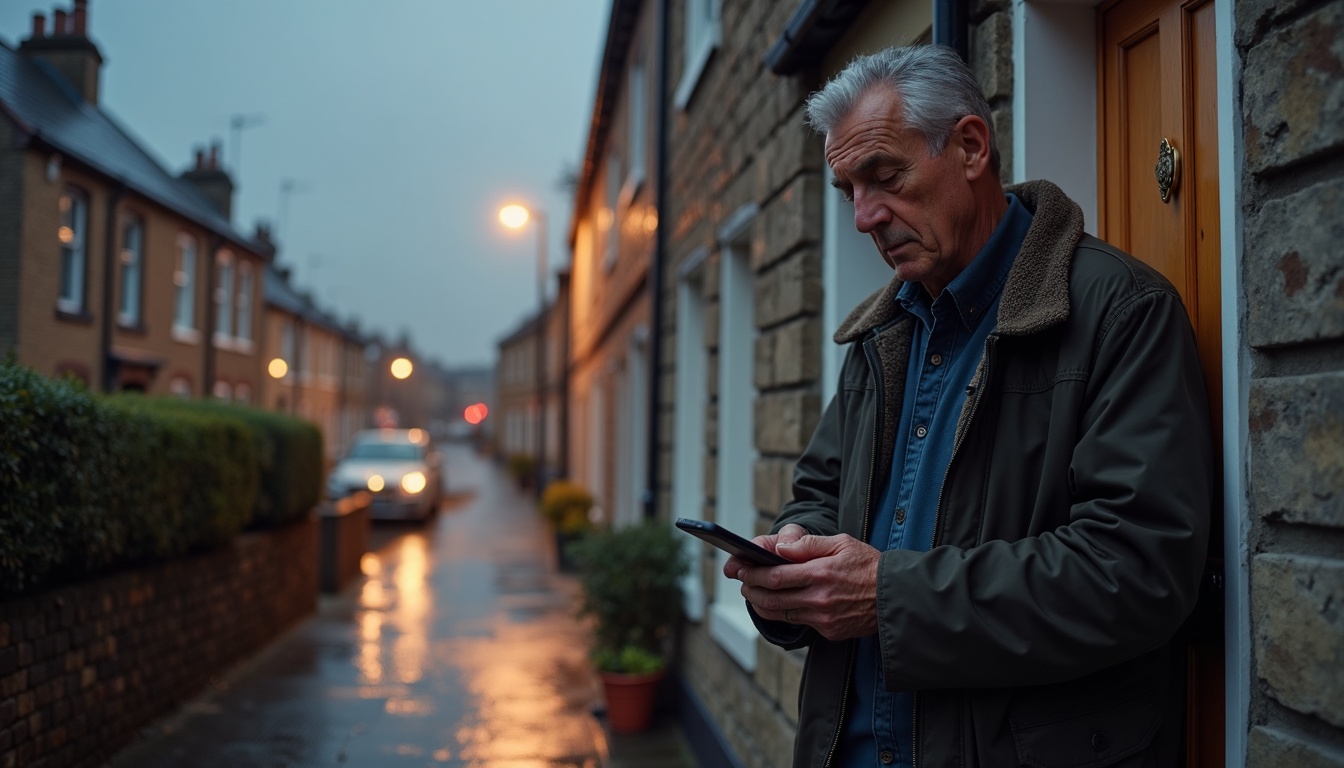
Being locked out can turn an ordinary day into a stressful one very quickly. If you need an emergency locksmith Plymouth residents can call, it helps to spend a few minutes checking the situation before arranging a visit. A rushed decision can lead to unnecessary expense, damage to the door or confusion about what actually needs fixing.
The right response depends on why you cannot get in. You may simply have left the key elsewhere, the key may be lost, the lock may have failed, or a key may be stuck or broken. Identifying which of these applies helps you explain the problem clearly and makes it easier for a locksmith to arrive prepared.
Before calling an emergency locksmith Plymouth homeowners should make a few checks
Start with the obvious possibilities. Check every pocket, bag and place where you normally keep keys. If you have returned by car, check the vehicle as well. Think about whether another household member has a key and whether there is a genuine spare held by someone you trust.
If another normal entrance is available, only use it if you can do so safely and without causing damage. Do not climb onto roofs, force windows, scale unstable fences or attempt to reach an upper floor. A lockout is inconvenient, but creating a fall risk or damaging the property can make the situation much worse.
If you rent your home, your landlord, letting agent or building manager may have a procedure for lockouts or access problems. In a block of flats, there may also be a distinction between a fault with your own flat door and a problem with a communal entrance.
Work out whether this is a lockout or a lock fault
A straightforward lockout usually means the lock appears normal but you do not have a usable key. A lock fault can look different. The key may enter but refuse to turn, the handle may feel loose, the door may not line up correctly, or a multipoint locking door may fail to engage.
Do not repeatedly force a stiff key. Excessive pressure can bend or snap it and turn one repair into two. The same applies to a handle that will not move normally. If resistance is unusual, stop and describe the symptom rather than trying to overcome it with force.
For general home-security guidance, Police.uk explains that modern multipoint and uPVC doors need to be used correctly and advises householders to secure doors and windows appropriately. Its door and window lock advice is a useful reference when reviewing security after a lock problem.
What to tell the locksmith
When contacting an emergency locksmith Plymouth service, give a concise description of the door and what happened. Useful information includes whether the door is timber, uPVC, composite or metal; whether it is simply shut or actually locked; whether the key is lost, inside, broken or present but not working; and whether there is visible damage.
Photos can sometimes help a locksmith understand the type of door or external lock hardware before travelling, although you should avoid sending documents or images that reveal unnecessary personal information.
Also give the correct address and a phone number you can answer. If the property is difficult to find, explain this when booking rather than waiting until the locksmith is nearby.
Ask about charges before agreeing to the visit
An urgent call-out may involve a call-out charge, labour, replacement parts or different rates depending on the time of day. Ask how the price is structured before agreeing. If the final cost cannot be known until the lock is inspected, ask what can be confirmed in advance and what circumstances could increase the price.
Be cautious about vague claims that every lockout has a single very low fixed price. Different doors and faults require different amounts of work. A useful conversation should establish the likely approach, how charges are calculated and whether VAT is included where applicable.
If you want to compare local options, you can browse locksmiths serving Plymouth on Plymouth Trade Finder and contact businesses directly about availability, pricing and suitability.
Expect to show that you have a right to enter
A responsible locksmith may ask for evidence that you live at, own, rent or otherwise have authority to enter the property. If your identification is locked inside, explain that when booking. There may be other ways to establish your connection with the address once access is restored.
This protects both the property owner and the locksmith. Do not be surprised if a tradesperson asks sensible questions before opening a residential door for someone they have never met.
Try to avoid unnecessary damage
Many lockouts can be resolved without replacing the whole locking system, but the correct method depends on the lock, door and fault. Avoid internet tricks involving drilling, forcing, improvised picks or damaging the door frame. They can create extra repair costs and may reduce the security of the door afterwards.
If a part does need replacement, ask what has failed and why the proposed replacement is suitable. Where a euro-profile cylinder is being upgraded, Police.uk advises choosing a 3-star cylinder meeting TS007 standards. That is especially relevant if replacement provides an opportunity to improve security rather than simply recreate an old weak setup.
If the keys are lost rather than merely forgotten
A missing key creates a different question from a key that is safely sitting on a kitchen table. Think about whether the lost key could be connected to your address. If a bag, wallet or document containing your address disappeared with the keys, the security risk may be greater.
Tell the locksmith that the key is lost or stolen rather than simply unavailable. They can then discuss whether gaining entry is enough or whether changing or rekeying relevant locks should also be considered.
After you are back inside
Once the immediate problem is solved, deal with whatever caused the lockout. Arrange a reliable spare-key plan, replace damaged keys, address a sticking door before it becomes worse and make sure everyone in the household knows how the lock should be operated.
If you needed an emergency locksmith Plymouth call-out because the lock itself failed, ask what signs might indicate future trouble. A few minutes spent understanding the cause can reduce the chance of another urgent call later.
The priority during a lockout is simple: stay safe, avoid forcing the door, establish what has happened and obtain clear information before authorising work. That makes an inconvenient situation easier to manage and gives the locksmith the best chance of resolving it efficiently.