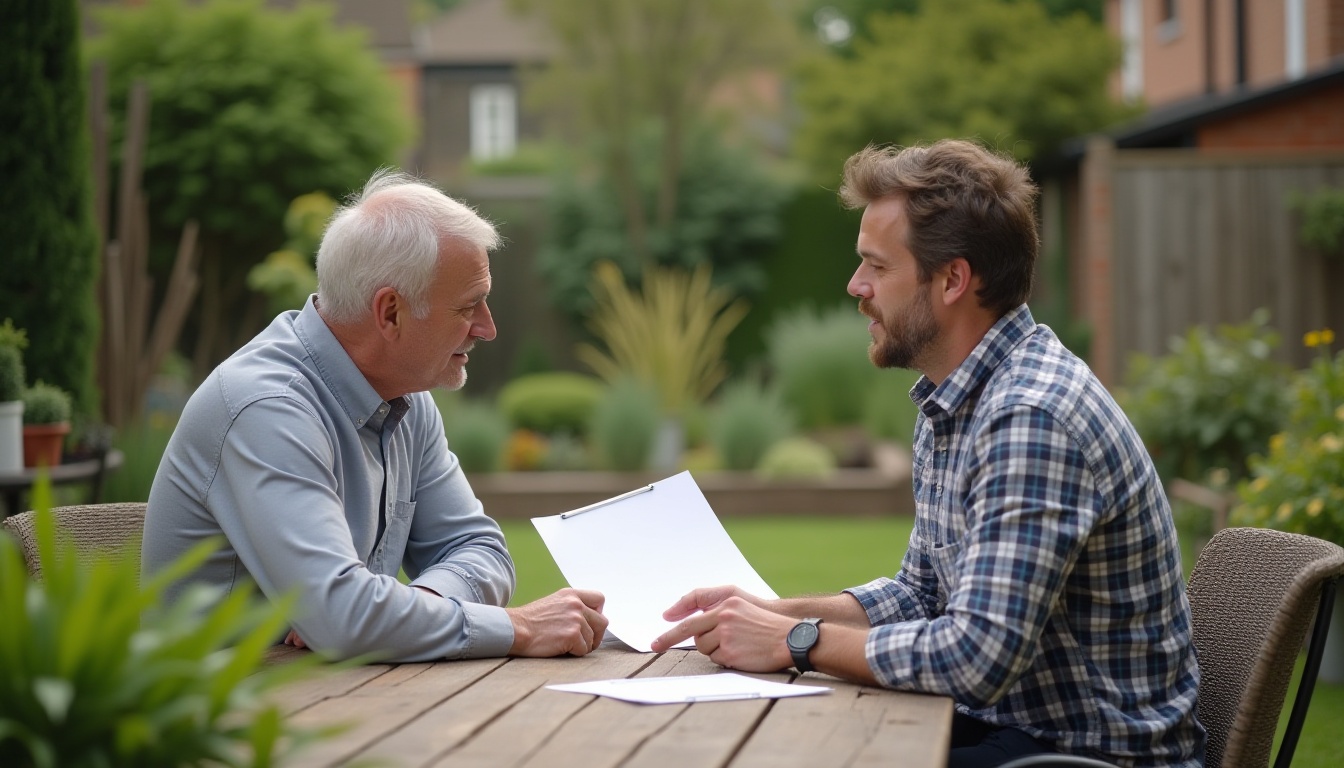
Landscaping quotes are most useful when they describe the proposed work clearly enough for you to understand what you are buying. A single total can look attractive because it is simple, but it may leave important questions unanswered about excavation, materials, waste disposal, planting or finishing. Before garden work starts in Plymouth, take time to check whether the written quotation matches the conversations you have had and whether you can compare it fairly with other proposals.
What good landscaping quotes should make clear
A landscaping quotation should identify the project and the agreed scope. For a patio, that may mean the approximate area, the chosen paving, edge details and preparation. For fencing, it may include fence type, posts, gravel boards, gates and removal of the old boundary. A larger makeover might separate groundworks, hard landscaping, turf, planting and finishing. The wording does not need to be highly technical, but it should be specific enough that both parties can recognise what has been agreed.
Check that the document identifies the business, the customer or site, the date and how long the price is valid. Where VAT applies, the quotation should make the treatment of VAT clear. If the job is likely to be carried out months later, ask whether material price changes could affect the figure and how that would be handled. Avoid relying on assumptions made during a site visit if they do not appear in the written proposal.
Preparation can be a large part of the job
The finished surface is only one part of landscaping. Removing old paving, excavating soil, preparing sub-bases, levelling areas, improving ground, moving materials through restricted access and disposing of waste can represent substantial work. If two quotations are far apart, preparation is one of the first areas to compare. Ask what depth or method of preparation is proposed where relevant and whether the price includes taking away excavated material.
For planting schemes, preparation can include removing unwanted growth, improving soil, forming beds, supplying soil improvers or mulch and setting out plants. For new lawns it may include clearing, grading, preparing the soil and supplying turf or seed. The important point is that the quotation reflects the whole process needed for the stated outcome, not merely the visible final material.
Materials should be identifiable
Words such as “paving supplied” or “new fence” leave considerable room for interpretation. Ask for enough detail to identify the type, finish, approximate quantities and important components. You do not necessarily need every screw or bag of material listed, but major products should be clear. If you selected a particular paving range, timber specification, gravel or turf, confirm that the quotation reflects that choice.
Material substitutions sometimes become necessary because of availability. Agree in advance how alternatives will be handled. A sensible approach is to require discussion before a significant change is made, particularly where appearance, durability or price could be affected. Samples can also help where colour and texture matter, while recognising that natural materials may vary.
Waste removal and site access deserve their own check
Garden projects often create more waste than homeowners expect. Old slabs, concrete, timber, soil, turf, vegetation and packaging all need to be handled appropriately. Check whether removal and disposal are included and whether skips or other waste arrangements are part of the price. If you are expected to arrange anything yourself, that should be clear before work begins.
Access affects labour and logistics. A rear garden with no side entrance can require materials to be carried through a property or over a longer route. Steps, narrow alleys and parking restrictions can also matter. A quotation made after a proper site visit should normally take obvious access constraints into account, but it is still worth confirming the proposed route and how internal floors or shared areas will be protected if they must be crossed.
Understand quotation, estimate and variation
Citizens Advice explains that a quotation is different from an estimate and recommends getting the agreed price and work in writing. Its guidance on work on your home also covers contracts, insurance and what a quotation should contain. For landscaping, this distinction matters because ground conditions are not always fully visible before excavation.
If genuine unforeseen work arises, ask the landscaper to explain what has changed and why. A variation should normally be agreed before the extra work is undertaken where that is practical. The same applies when you change your mind and request extra paving, different materials or additional planting. Keeping variations in writing gives both sides a record of the revised scope and price.
Useful quotation checks
- Is the total price clear and is VAT treatment stated?
- Are labour, major materials and preparation covered?
- Is excavation and waste disposal included?
- Are access assumptions recorded?
- Are start expectations and likely duration discussed?
- Are payment stages or deposit requirements clear?
- Does the quote say how changes or extra work will be agreed?
- Are important exclusions easy to identify?
Payment terms should match clear milestones
Ask when payments will be due and what each payment relates to. A deposit may be requested to secure a booking or order materials, while larger projects may use staged payments as work progresses. The arrangement should be written down before the start. Avoid paying for ambiguous stages: it is easier to manage expectations when each instalment relates to a recognisable point in the project.
Also establish how final snagging will be handled. Minor adjustments or replacements may only become obvious once the work is complete and the site is cleaned. Knowing how to raise these issues, and what any workmanship or material guarantee covers, is preferable to trying to establish the process afterwards.
Use the same brief when comparing businesses
If you want to compare landscaping quotes properly, give each business broadly the same information. Changing the materials, area or design between site visits can make the figures impossible to compare. Create a short project brief and keep notes from each discussion. Where one contractor suggests a different construction method, ask why; a difference may reflect a useful alternative rather than a simple price discrepancy.
You can find landscapers serving Plymouth in the local directory and contact individual businesses for quotations. Directory placement is not a substitute for your own checks, so confirm experience, insurance, scope, prices and availability directly.
Read the exclusions before you accept
Exclusions are often where future misunderstandings begin. Look for items such as electrical work, specialist tree work, planning applications, moving existing services, hidden ground problems, aftercare or watering of new planting. An exclusion is not necessarily a problem; it simply tells you what you may need to arrange separately.
Well-structured landscaping quotes allow you to see what will be done, what materials are allowed for, how changes will be managed and what you are expected to provide. Taking the time to read those details before work starts is one of the simplest ways to make a landscaping project easier to manage.