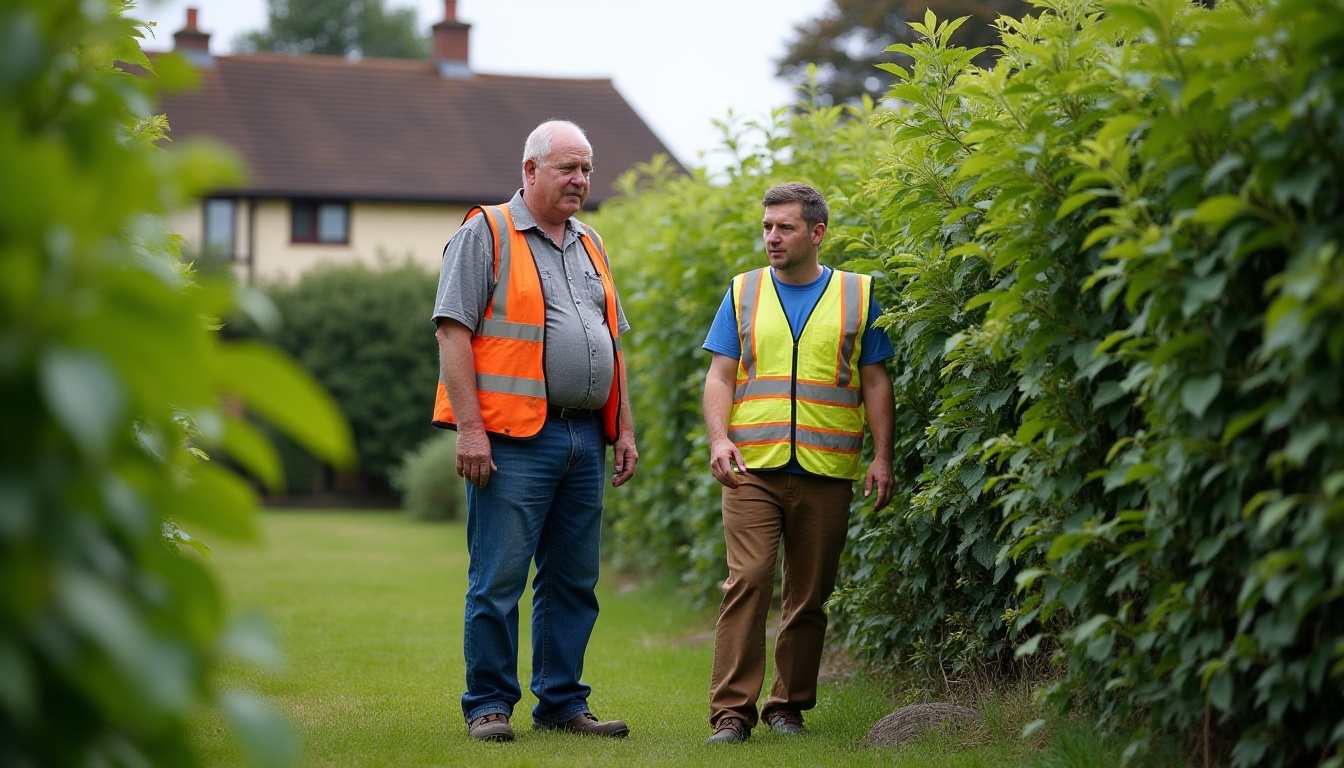
Choosing a landscaper is easier when you start with the job you actually need rather than with a list of companies. A garden project might involve paving, fencing, turf, planting, drainage, retaining features or a complete redesign, and different landscapers may have different strengths. In Plymouth, as anywhere else, the aim is not simply to find somebody who can start quickly. It is to find a business whose experience, proposed method, price and communication fit the work. Taking a little time before agreeing to a project can make quotations easier to compare and reduce misunderstandings once work begins.
Choosing a landscaper starts with a clear brief
Before contacting businesses, write down what you want to change and what you want to keep. Note how the garden is used now, who uses it, the amount of maintenance you are comfortable with and any practical problems such as awkward access, level changes or areas that stay wet. Decide which parts are essential and which are optional. A landscaper can help refine the design, but a clear starting brief makes the first conversation more useful and helps different businesses quote for broadly the same result.
Measurements, photographs and a rough sketch can help, but they do not need to be professionally prepared. Mention access from the road, whether materials must pass through the house, known buried services, shared boundaries and features that must be protected. If you are considering structural changes, substantial excavation or work near protected trees, establish early whether specialist advice or permission may be needed rather than assuming that every element is routine garden work.
Ask about relevant experience, not just years in business
Length of experience can be useful, but similarity of previous projects often matters more. Ask whether the landscaper regularly carries out the type of work you need and whether they can show recent examples. A contractor who mainly lays patios may not be the right choice for a planting-led redesign, while a garden designer may use separate contractors for construction. For a mixed project, ask which parts are completed directly and which may be subcontracted.
When looking at previous work, pay attention to details that are relevant to your own garden: neat falls and edges on paving, sensible transitions between surfaces, robust fencing, planting appropriate to the space and clean finishing around doors, walls and boundaries. Photographs are useful, but asking how a project was approached can reveal more about the landscaper’s planning and problem-solving.
Get written quotations that describe the same job
Price is only meaningful when you understand what is included. A useful quotation should make the scope clear enough to identify the work, materials and significant exclusions. Ask whether preparation and excavation, removal of waste, delivery, labour, materials, finishing, clean-up and VAT where applicable are included. If particular products or finishes matter to you, make sure they are identified rather than described only in broad terms.
It is sensible to distinguish a quotation from an estimate. Citizens Advice recommends getting quotations in writing and checking the work and materials covered, the total price, how long the price remains valid and circumstances in which it could change. Its consumer guidance on getting work done on your home is a useful reference before agreeing to substantial landscaping work.
Questions worth asking about the quotation
- What preparation and groundworks are included?
- Are waste removal and disposal included?
- Which materials, sizes, finishes or product ranges are allowed for?
- Does the price include VAT where the business is VAT registered?
- How will unforeseen work or requested changes be priced and authorised?
- What deposit or staged payments are required?
- What is specifically excluded from the quoted work?
Check insurance and how the work will be managed
Ask what insurance the business carries and whether it is appropriate for the project. Public liability cover is particularly relevant where work could damage property or cause injury. Businesses with employees have separate legal responsibilities for employers’ liability insurance. Do not rely on a logo on a website as proof of cover; for a significant project it is reasonable to ask for current details and check that the period of insurance covers the planned work.
Also ask who will be your main contact, who will normally be on site and how decisions are recorded. Landscaping projects can change when old surfaces are lifted or ground conditions become visible. A sensible process for variations is important: the extra work should be explained, priced and agreed before it proceeds wherever practicable. This protects both customer and contractor from arguments about what was included.
Discuss timing without treating a date as a guarantee
Ask when the business expects to start and how long the project is likely to take, but remember that outdoor work can be affected by weather, deliveries and unexpected site conditions. More useful than an absolute promise is understanding the likely sequence of work and how the landscaper communicates delays. If the garden needs to be usable for a particular event, say so before accepting the quotation rather than after work has begun.
For planting, the programme may also depend on the plants selected and the conditions needed for establishment. Hard landscaping and planting do not always have to be completed at the same time. A staged approach can sometimes be more practical, especially where a larger garden is being improved over more than one season.
Look closely at communication and expectations
Good communication before a job is often a useful indicator of how communication will work during it. Notice whether questions are answered clearly, whether the contractor asks about how you will use the garden, and whether limitations are explained rather than ignored. Be cautious about pressure to make an immediate decision, vague descriptions of substantial work or important promises that a business is unwilling to put in writing.
Before work starts, make sure you know who is responsible for moving garden furniture, protecting access routes, arranging skips, obtaining any required permissions, watering new plants and dealing with minor snagging. If guarantees are offered for workmanship, materials or plants, ask exactly what they cover, how long they last and what conditions apply. A guarantee should be read, not assumed.
Compare suitability rather than simply the lowest number
When choosing a landscaper, compare the whole proposal. One quotation may include deeper preparation, better-specified materials, more planting or waste removal that another leaves out. A lower price is not necessarily poor value, and a higher price is not automatically better; the important point is to compare like with like and understand why the totals differ.
You can browse landscapers serving Plymouth in Plymouth Trade Finder to identify businesses to contact, then check suitability directly with each one. Discuss the actual project, ask for a written quotation, confirm insurance and availability, and make your own checks before committing.
A practical final checklist
Before accepting a quotation, confirm that the design or scope reflects what you asked for, important materials are identified, payment stages are clear, any assumptions are written down and you understand what happens if the scope changes. For larger projects, keep copies of quotations, drawings, emails and agreed variations together. That simple record can be extremely useful throughout the job.
Ultimately, choosing a landscaper is a judgement about fit as well as price. Clear questions, comparable written quotations and realistic expectations give you a stronger basis for deciding who is suitable for your garden and for establishing a productive working relationship from the outset.