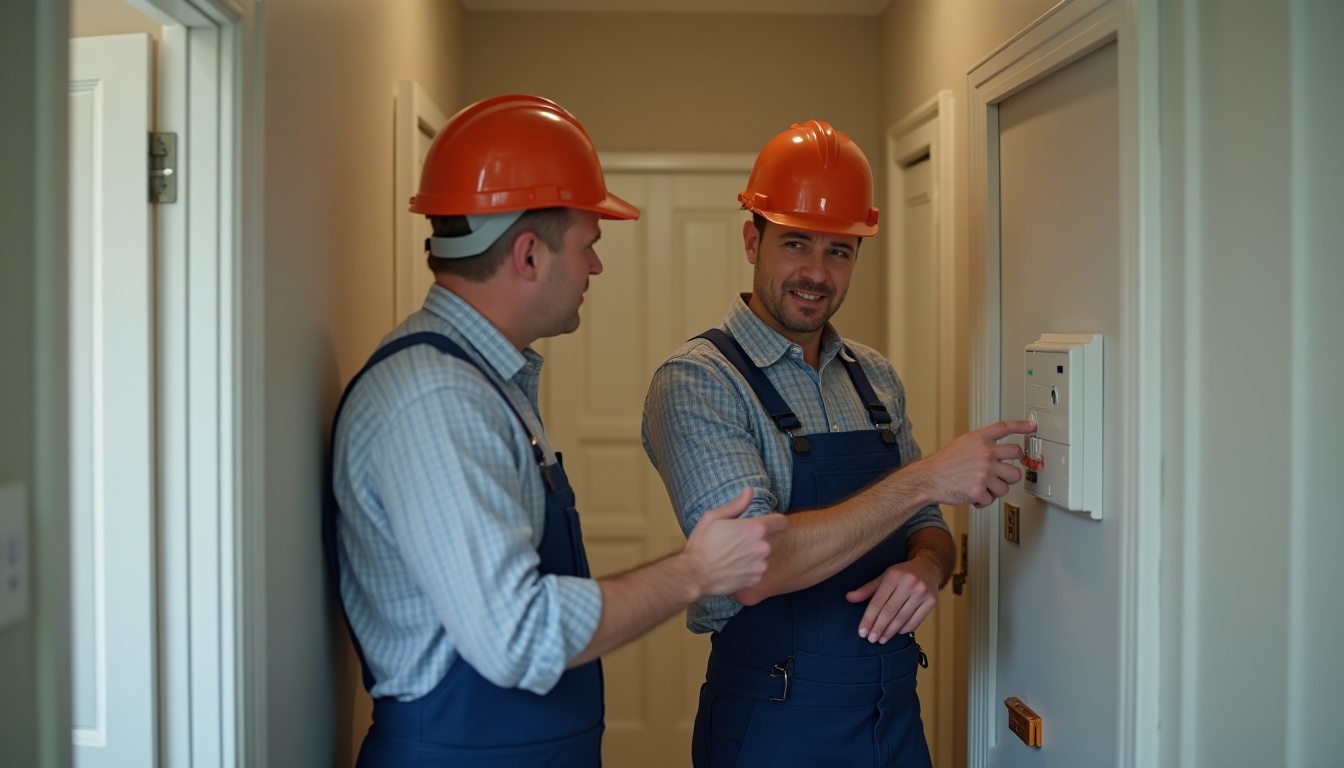
If your electrics keep tripping, a protective device is usually responding to a fault or abnormal electrical condition. The frustrating part is that several different causes can produce the same symptom. A faulty appliance, a problem on a fixed circuit, moisture, damage or an issue that only appears under certain loads can all require different solutions.
The safest approach is to observe the pattern without dismantling anything or repeatedly forcing the power back on. If you need professional diagnosis, you can browse electricians serving Plymouth and describe the symptoms when you call.
Electrics keep tripping because protective devices are doing a job
A circuit breaker is designed to disconnect a circuit in certain overcurrent or fault conditions. An RCD monitors for imbalance that can indicate current flowing by an unintended path, and an RCBO combines functions within one device. You do not need to diagnose which internal mechanism has acted in order to respond sensibly.
HSE describes an RCD as a valuable safety device and says that if it trips, this is a sign there is a fault that should be checked before the system is used again. The HSE electrical-equipment guidance also warns against bypassing an RCD.
Start by noticing the pattern
Before calling an electrician, think about when the trip occurs. Does it happen immediately when one appliance is switched on? Only when several appliances are running? In wet weather? At a certain time of day? When an outside light or garden appliance is used?
Write down the pattern. Intermittent faults can be much easier to investigate when you can say what was happening rather than only that “the power sometimes goes off”.
A faulty portable appliance can be the cause
If tripping consistently begins when one plug-in appliance is used, stop using that appliance. Do not keep trying it in different sockets as a way of proving the point, and do not dismantle it unless you are competent to work on electrical equipment.
If unplugging one clearly suspect item allows the rest of the installation to operate normally, tell the electrician or appliance repairer. That observation can be useful, but it is not a substitute for testing if there is any doubt about the fixed wiring.
Overload can look different from an earth-leakage fault
Some trips happen because too much current is being drawn on a circuit, while others relate to earth leakage or a fault to earth. From the householder’s point of view, the important thing is not to guess from the shape of the switch or internet advice.
If the electrics keep tripping when several high-demand appliances operate together, tell the electrician exactly which appliances were in use. The circuit design and test results will determine whether the issue is load, a defective appliance, a fixed-wiring fault or something else.
Water and damp need particular caution
Outdoor equipment, sheds, exterior lighting and areas affected by leaks can develop faults associated with moisture. If tripping follows heavy rain or a water leak, stop using the affected equipment and explain the timing to the electrician.
Do not open outdoor fittings, junctions or fixed accessories to look for water. Electrical equipment can remain hazardous even when the obvious source of moisture has been removed.
What can you safely check?
Only make user-level observations that do not expose live parts. You can note which protective device has operated, what appliances were running, whether one item has an obvious plug or lead defect, and whether there are visible signs of burning, heat or water near accessible equipment.
If the manufacturer provides normal user instructions for resetting a protective device, one reset after removing a clearly suspect appliance may be reasonable in a non-hazardous situation. If it trips again, stop repeating the process.
When repeated tripping becomes urgent
Recurring loss of power is inconvenient, but add heat, smoke, burning smell, crackling, visible damage, sparking or electric shock and the priority changes. Stop using the affected installation and seek urgent help. If there is fire or immediate danger, move people away and contact the emergency services as appropriate.
Never reach through water, smoke or a visibly damaged area to operate electrical controls.
Do not “solve” the problem by defeating protection
If your electrics keep tripping, do not replace a protective device with a different rating, hold a switch in position, bypass an RCD or make temporary alterations to keep power on. The device may be the thing preventing a fault from becoming more dangerous.
Similarly, do not move an appliance from circuit to circuit indefinitely in the hope of finding one that “doesn’t trip”. That can spread risk rather than resolve the cause.
What an electrician may do
Fault-finding is a process. The electrician may ask about symptoms, isolate circuits or equipment, inspect accessible components and use test instruments to narrow down the fault. Intermittent problems can take longer because the condition may not be present continuously.
For that reason, an electrician may quote fault-finding time rather than promise a fixed repair price before diagnosis. Ask how diagnostic work is charged and how further repairs will be agreed.
Could a new consumer unit fix it?
Not automatically. Replacing a consumer unit without identifying the underlying circuit or appliance fault can leave the real problem unresolved. In some cases an older board may need upgrading for separate reasons, but repeated tripping should still be diagnosed.
New protective arrangements can also reveal existing leakage or defects that older devices did not respond to in the same way. That is a reason for proper testing, not a reason to remove the newer protection.
Information that helps the electrician
- Which rooms or circuits lose power?
- Which switch or protective device appears to operate?
- What was running immediately beforehand?
- Does the problem follow one appliance?
- Does it happen after rain or a leak?
- Has any recent electrical or building work taken place?
- Are there any smells, heat, noise, damage or signs of burning?
Even a simple timeline can save diagnostic time.
After the fault is repaired
Ask what was found and whether the repair is complete or temporary. If testing or installation work was carried out, keep any relevant documentation. If an appliance was identified as defective, label it clearly and keep it out of use until repaired or replaced.
When electrics keep tripping, the protective device should be treated as information, not an obstacle. Observe the pattern, remove obviously suspect portable equipment from use, avoid intrusive DIY investigation and get repeated or unexplained faults properly assessed.