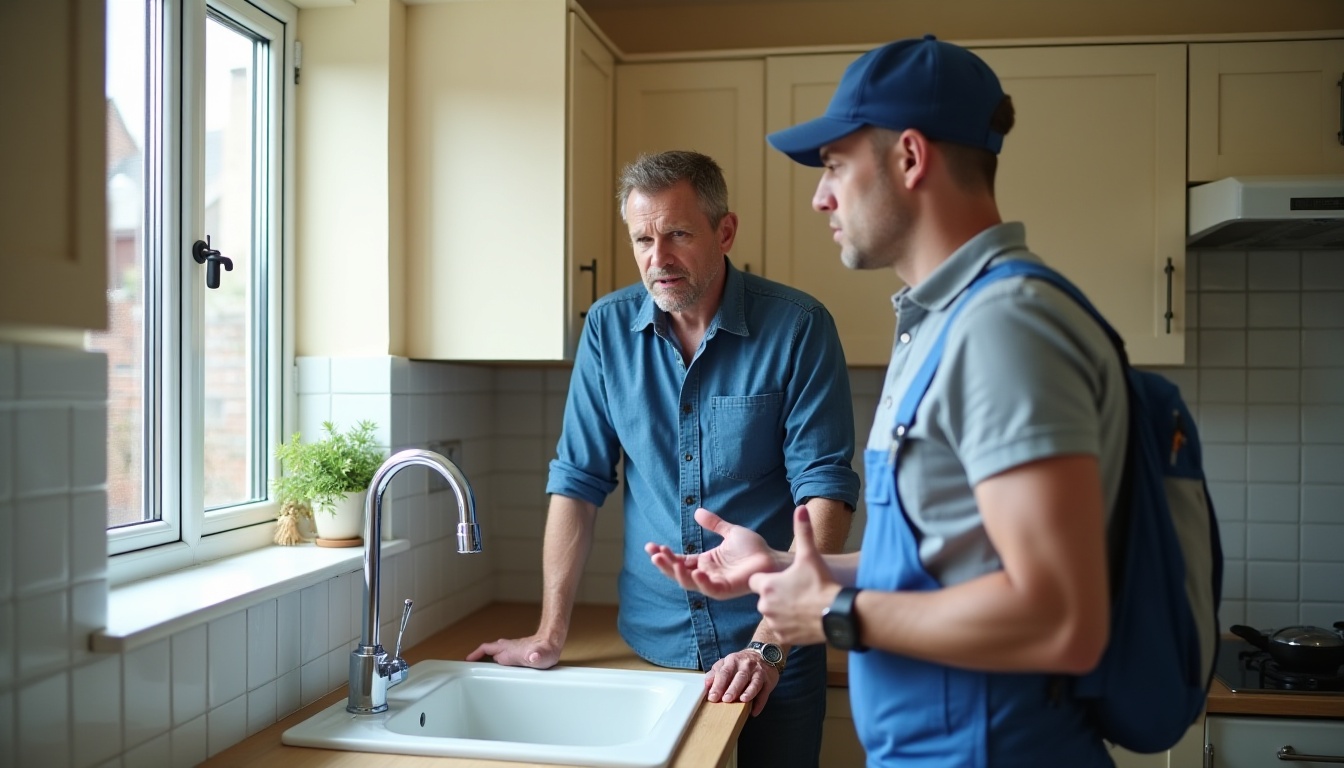
Low water pressure can be frustrating, particularly when a shower becomes weak or a tap takes noticeably longer to fill a container. But the cause is not always inside the home. It can result from an individual fitting, a partly closed stop tap, a private leak, work on the local network or demand affecting the wider supply.
The useful first step is to work out how widespread the problem is. A single weak tap suggests something different from every cold-water outlet suddenly losing flow, and one affected house suggests something different from several neighbours reporting the same issue.
What low water pressure actually means at home
People often use “pressure” and “flow” interchangeably. In everyday household terms, the symptom is usually that water comes from an outlet more slowly or less forcefully than expected. The underlying reason could involve pressure in the supply, a restriction within the property, the condition of a fitting or a leak.
South West Water publishes a step-by-step water pressure troubleshooting guide for customers. It includes checks for local incidents, neighbours, stop taps, individual outlets and possible leaks.
Is the problem affecting one tap or the whole house?
Start with the cold kitchen tap, which is often the most useful point for checking the incoming mains supply. If that tap has normal flow while a bathroom tap or shower is weak, the problem is more likely to be within the property’s plumbing or the affected fitting rather than the incoming network.
If all outlets are affected, consider whether the problem appeared suddenly. Check whether South West Water is reporting work or an interruption in the area, and ask a nearby neighbour whether their supply has changed too.
When several properties are affected at the same time, contact the water company before paying a plumber to investigate an internal problem that may not exist.
Check the internal stop tap
A stop tap that is not fully open can restrict flow. South West Water advises customers to check the internal stop tap and provides guidance on operating it. If yours is stiff, damaged or will not turn, do not use excessive force; ask a qualified plumber for help.
If you have recently had plumbing work, moved into the property or turned the supply off for another reason, a partly reopened stop tap is a simple possibility worth checking.
Look for signs of a leak
Low water pressure can sometimes be associated with leakage. Watch for unexplained damp patches, water where it should not be, unusually high metered consumption or the sound of water running when everything is turned off.
South West Water distinguishes between public network leaks and leaks on private pipework. If a leak is inside the property or on the private supply pipe, the homeowner is generally responsible for arranging repair. If it is on the water company’s network, South West Water is responsible.
If you have a water meter, the company’s leak guidance explains how meter movement can help indicate whether water is escaping while normal use is stopped. Do not excavate or dismantle plumbing based on a meter reading alone; use it as evidence to help the water company or plumber investigate.
Could the problem be with a single fitting?
A weak flow at only one tap can result from a local restriction, a worn fitting or debris at the outlet. A shower may also be affected by its own controls, filters or the type of water system serving it.
If you are comfortable with simple user maintenance described by the manufacturer, you may be able to clean an accessible outlet fitting. Avoid taking apart valves, concealed controls or pressurised equipment if you are unsure. A plumber can establish whether the issue is limited to the fitting or part of a wider system problem.
Do not assume a pump is the answer
When water feels weak, it is tempting to jump straight to a pressure-boosting device. That may be inappropriate and can create other problems if the real cause is a restriction, leak or network issue. Plumbing alterations also need to comply with the Water Supply (Water Fittings) Regulations.
Get the cause identified first. A suitable plumber can assess the incoming supply and internal system and explain what options are appropriate for the property.
What information should you give a plumber?
If basic checks suggest the problem is inside your property, describe the pattern rather than simply saying “the pressure is bad”. Useful details include when it started, which outlets are affected, whether hot and cold are both affected, whether any recent work has been done, and whether the internal stop tap is fully open.
- Is the cold kitchen tap affected?
- Are all floors of the property affected?
- Is the problem constant or intermittent?
- Do neighbours have the same issue?
- Have you noticed damp, a leak or unexpected meter movement?
These observations can make a plumbing visit more efficient because they narrow down whether the fault is likely to be localised or property-wide.
When to contact South West Water
Contact South West Water if the issue appears to affect the incoming supply, if several neighbouring properties are affected, if you suspect a network leak, or if the troubleshooting steps do not resolve a persistent problem. The company can check for known incidents and investigate supply-side concerns.
South West Water’s current guidance also suggests a simple flow test using the cold kitchen tap. Follow its current instructions rather than relying on an old threshold copied from another source, because utility guidance can be updated.
When a plumber is the better call
If normal supply appears to reach the property but individual taps, showers or internal systems are affected, a plumber can investigate the private side. The same applies if the stop tap is defective, a private leak is suspected, or internal alterations may be restricting flow.
You can browse plumbers serving Plymouth on Plymouth Trade Finder, then contact businesses directly to ask whether they handle pressure and flow investigations. Check qualifications where relevant, insurance, charges and availability before booking.
Persistent pressure changes deserve investigation
A brief change during local water-company work may resolve without plumbing repairs. Persistent or worsening low water pressure, especially when accompanied by damp or unexpected water use, is worth investigating rather than simply accepting.
The best approach is methodical: check whether the issue is one outlet or the whole property, compare with neighbours, confirm the stop tap position, look for evidence of leakage and check South West Water’s service information. If the incoming supply seems normal, a plumber can then focus on the private system.
That sequence helps avoid paying for unnecessary work and prevents assumptions. Low water pressure is a symptom, not a diagnosis; identifying where the change begins is the key to deciding whether the next call should be to South West Water or a plumbing professional.